|
|
|||||||
|
|
|
||||||
|
Molecular Pathology
Laboratory |
|||||||
|
Al-Mulla
|
Patients' information |
Doctors' information |
Students' Material | Contact us | |||
| Our laboratory | | |||||||
|
|
|||||||
|
|
|
||||||
|
Molecular Pathology
Laboratory |
|||||||
|
Al-Mulla
|
Patients' information |
Doctors' information |
Students' Material | Contact us | |||
| Our laboratory | | |||||||
|
Redefining disease |
|
||||
 |
|||||
| The Molecular Pathology Laboratory was established in 2000 in an attempt to study, diagnose and understand diseases at the molecular level specifically utilizing the uniqueness of the Arabian genome for this purpose. | |||||
|
|
New Discoveries from our laboratory |
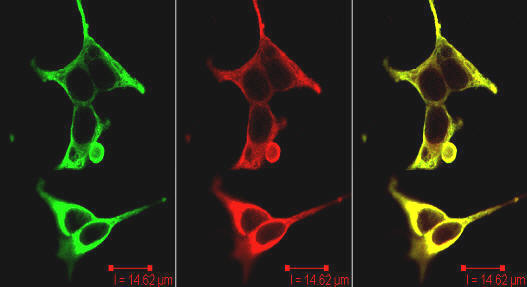
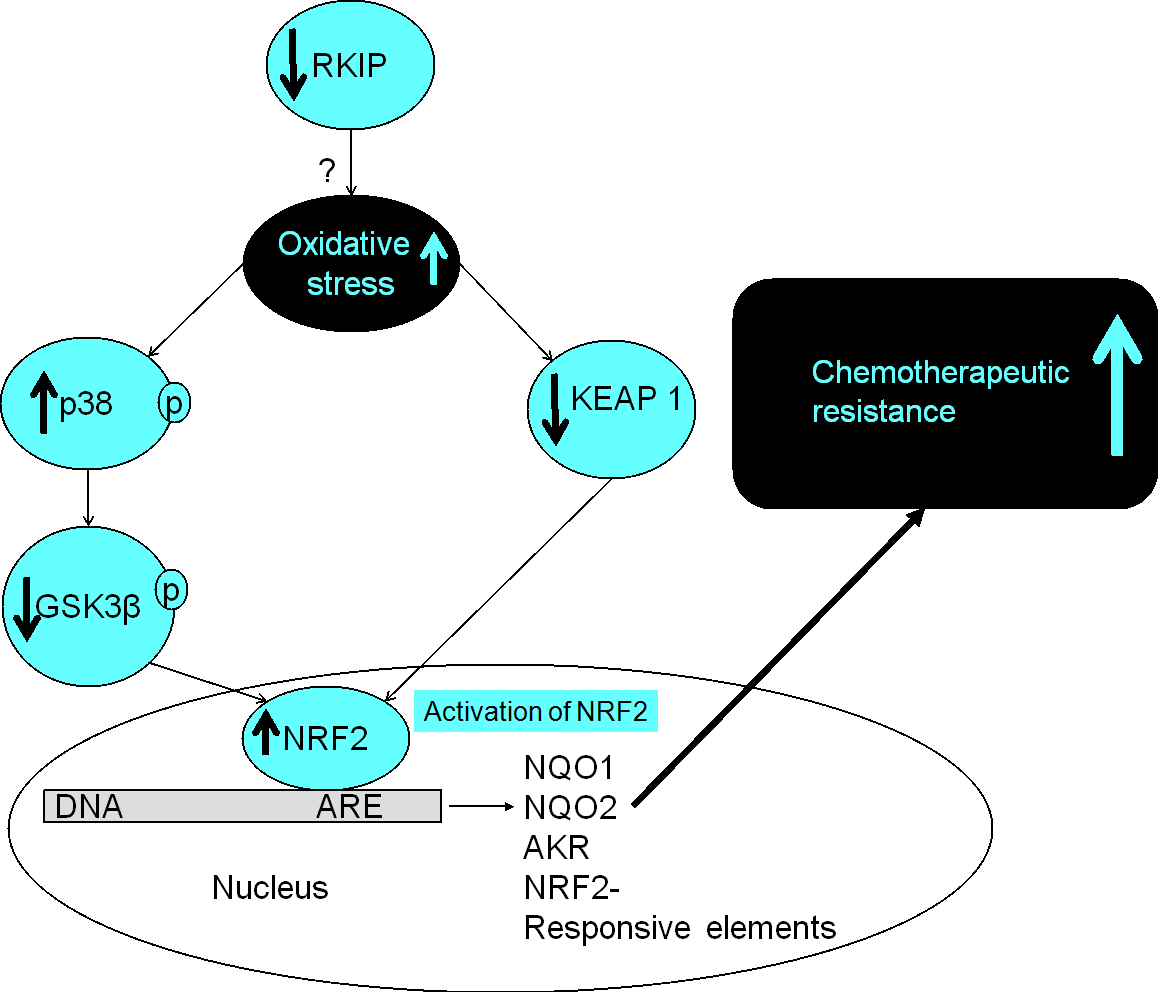
Using haplotype mapping we were able to identify genomic sites linked to metastatic behaviour in colorectal cancer. These regions are now being refined and deep sequenced to identify the genes involved. On this front we have identified RKIP (PEBP1) Raf Kinas Inhibitory Protein, as an independent marker for metastasis and reduced survival. Moreover, we found RKIP to be the best marker to date for predicting metastatic relapse in colorectal cancer. We now offer our patented "METASTASIS PREDICTION" method for detecting patients with bad prognosis. The test is mainly applied to early stage (Dukes' A and B) colorectal cancer to treat patients at high risk of metastatic relapse.
|
|||
|
|
|||||
|
|
|||||
|
Copyright al-mulla.org© 2016 |
|
||||